
A pharma brand in Basel and a physiotherapy clinic in Lugano are technically both “healthcare companies.” But the way they need to be found online, the way they need to speak to their audiences, and the regulatory lines they can’t cross are worlds apart. This is exactly why so many healthcare organizations in Switzerland eventually realize that a general marketing agency, however talented, keeps missing the mark.
It’s not that generalist agencies do bad work. It’s that healthcare marketing runs on different rules. A campaign that would look perfectly normal for an e-commerce brand can raise red flags for a medtech company or confuse a physician who was expecting clinical precision, not a catchy slogan. Swiss healthcare companies, in particular, operate inside a market that adds even more layers: multiple languages, cantonal differences, strict advertising norms, and an audience that includes everyone from hospital procurement teams to patients searching for symptoms at midnight.
Switzerland’s Healthcare Market Requires a Specialized Approach
Switzerland isn’t one healthcare market — it’s several, loosely stitched together. A message that resonates in Zurich might feel flat in Geneva, and not just because of the language switch from German to French. Local expectations around tone, formality, and even how much information a reader wants upfront can shift from canton to canton.
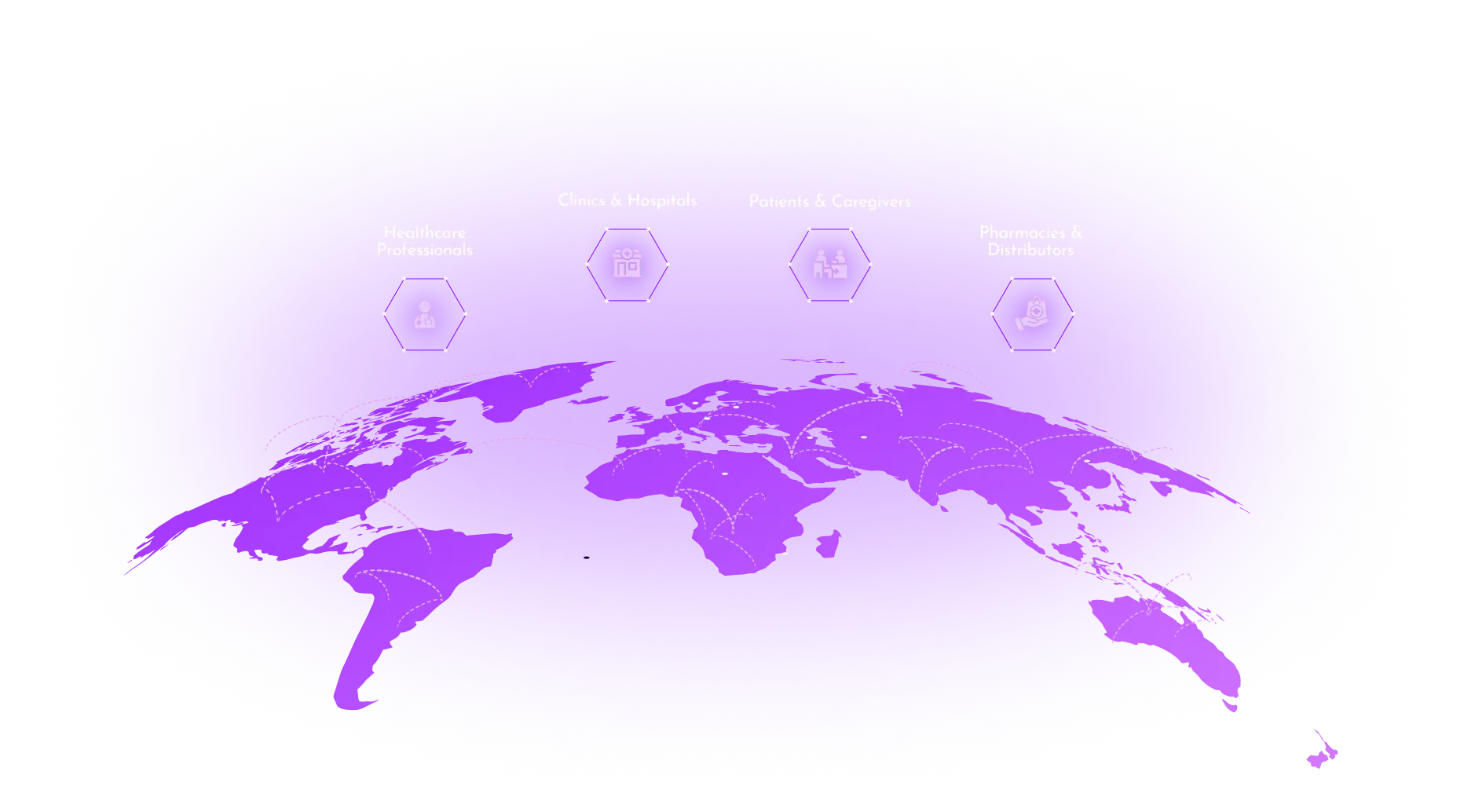
Then there’s the audience split. A medtech company might need to speak to hospital buyers, independent physicians, and international distributors all at once, each with a different level of technical fluency. A pharma brand may be marketing to healthcare professionals in one campaign and to patients or caregivers in another, often on the same website.
Trust plays an outsized role here too. Swiss patients and professionals tend to be cautious about where they get medical information, and rightly so. A healthcare brand that comes across as vague, overly promotional, or inconsistent across its French, German, and Italian content loses credibility fast — sometimes before a potential client even reaches out.
Why Healthcare Marketing Is Different from General Digital Marketing
Most digital marketing is built around persuasion. Healthcare marketing has to be built around accuracy first, persuasion second — if at all. A blog post claiming a treatment “cures” something it merely helps manage isn’t just bad marketing; it can be a compliance problem.
Swiss and EU-adjacent regulations around health claims, data privacy, and advertising to healthcare professionals versus the general public mean that every piece of content needs a second layer of scrutiny most industries don’t require. A landing page for a diagnostic device, for example, might need different disclaimers depending on whether it’s aimed at clinicians or consumers.
This is where specialized experience matters. An agency that regularly works with pharma and medtech clients already knows which claims need evidence behind them, which words trigger regulatory concern, and how to write persuasively without overstating what a product or service actually does.
Key Benefits of Working with a Specialized Healthcare Digital Marketing Agency
Better understanding of healthcare audiences. A specialized agency knows the difference between writing for a general practitioner, a hospital administrator, and a patient — and adjusts vocabulary, depth, and tone accordingly.
Healthcare-focused SEO and content strategy. Search intent in healthcare is layered. Someone searching “insulin pump Switzerland” could be a patient, a caregiver, or a procurement manager, and the content needs to serve the right one without alienating the others.
Building trust and credibility online. Certifications, clinical partnerships, and transparent sourcing matter more in healthcare than almost any other sector. A specialized healthcare digital marketing agency knows how to surface this information in a way that builds confidence rather than reading like a checklist.
Reaching pharma and medtech decision-makers. These buyers research extensively before ever contacting a sales rep. Long-form technical content, case studies, and whitepapers often do more work than a traditional ad ever could.
Localized and multilingual marketing. Not translation — localization. A sentence that lands well in German-language Swiss content might need to be restructured entirely for French-speaking audiences, not just swapped word for word.
Healthcare PPC and paid advertising. Paid platforms have specific restrictions on healthcare and pharma advertising. An agency familiar with these limits avoids wasted ad spend on campaigns that get flagged or rejected.
Lead generation and conversion optimization. Healthcare buying cycles are slower and more research-heavy, so conversion paths need to account for multiple touchpoints rather than a single call-to-action.
Data-driven marketing decisions. Tracking what actually drives inquiries — not just traffic — matters more when the audience is smaller and more specific than a typical consumer market.
The Role of SEO for Swiss Healthcare Companies
Search visibility is often where healthcare brands lose the most ground without realizing it. A hospital or medtech company might rank well for its own name but be invisible for the actual questions people are asking — about treatments, conditions, or product comparisons.
A healthcare digital marketing agency approaches SEO differently than a general one. Keyword research needs to account for medical terminology, layperson language, and regional search habits across Switzerland’s language regions. Technical SEO has to handle multilingual site structures correctly, so French and Italian versions of a page don’t compete with or dilute the German version.
Local SEO also carries more weight than many healthcare companies expect. A clinic or medtech distributor with a physical presence needs accurate, consistent listings across regions, along with content that reflects local search behavior rather than a one-size-fits-all national strategy. Authority building — through partnerships, professional citations, and genuinely useful resources — tends to matter more here than aggressive link-building tactics.
Why Healthcare Content Needs Expertise
Healthcare content has to do two things at once: inform accurately and read naturally. That balance is harder to strike than it sounds. A blog post explaining a treatment option needs to be medically sound without turning into a research paper.
Different formats serve different purposes. Blog articles help answer common questions and build organic visibility. Case studies show real outcomes without overselling results. Service pages need to be clear enough for a patient but detailed enough for a referring physician. Whitepapers and educational resources often carry the most weight with pharma and medtech buyers, who read extensively before making contact.
Getting this content wrong isn’t just a missed opportunity — inaccurate or misleading healthcare content can actively damage trust in a way that’s hard to repair.
Reaching the Right Healthcare Audience in Switzerland
Healthcare audiences aren’t monolithic, and treating them that way is one of the more common mistakes companies make. Physicians want data and specificity. Procurement teams at hospitals want compliance documentation and comparative value. Patients want clarity and reassurance, not clinical jargon.
Digital marketing, done well, lets a healthcare company speak to all of these groups without diluting the message for any of them — through segmented content, targeted campaigns, and channels chosen based on where each audience actually spends time, whether that’s LinkedIn for B2B medtech buyers or search engines for patient-facing queries.
How to Choose the Right Healthcare Digital Marketing Agency
A few practical things to look for:
- Healthcare industry experience — not just general marketing experience with one or two healthcare clients mentioned in passing.
- SEO and content expertise specific to medical and technical subject matter.
- Understanding of Swiss markets, including language regions and local search behavior.
- Familiarity with pharma and medtech audiences, including longer B2B sales cycles.
- Transparent reporting that ties marketing activity to actual business outcomes, not just vanity metrics.
- Measurable campaign structures, so results can be evaluated honestly.
- A grasp of compliance and responsible communication, so content never outruns what can actually be claimed.
Conclusion
Healthcare companies in Switzerland are operating in a market that rewards precision and punishes shortcuts — multiple languages, cautious audiences, and real regulatory constraints all at once. A specialized healthcare digital marketing agency brings the industry knowledge, linguistic care, and compliance awareness that generalist marketing simply isn’t built for. The result isn’t just more traffic or more leads — it’s a stronger, more credible presence with the people who actually make healthcare decisions, whether that’s a physician researching a new device, a hospital procurement officer comparing suppliers, or a patient trying to understand their options.